The top SaaS tools for startups are the platforms that eliminate manual work, accelerate sales cycles, and let small teams operate like enterprises — without enterprise budgets. In 2026, the right tool stack is no longer a nice-to-have; it is the difference between startups that scale and startups that stall.
The SaaS industry continues its upward trajectory. According to Gartner, worldwide public cloud end-user spending is projected to surpass $723 billion in 2025, with SaaS remaining the largest segment. For startup founders, that means two things: the opportunity is enormous, and the competition is fierce.
The only way to rise above that competition is to improve your team's productivity and efficiency from day one. Below are ten categories of tools — with specific product recommendations — that every SaaS startup should evaluate for its 2026 stack.
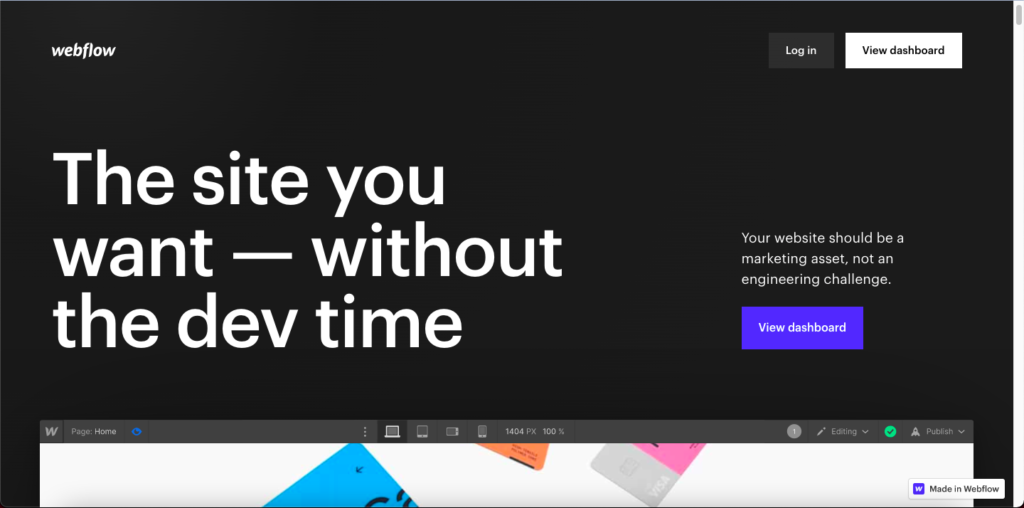
Your website is your conversion engine. It either builds trust and drives signups, or it pushes prospects to a competitor. The challenge? Professional web development can easily consume tens of thousands of dollars — budget most early-stage startups don't have.
No-code builders like Webflow let your marketing or design team build, launch, and iterate on a production-quality site without writing a single line of code. Key benefits include:
In 2026, Webflow has expanded its platform with localization features and deeper e-commerce capabilities, making it even more relevant for startups targeting global audiences.
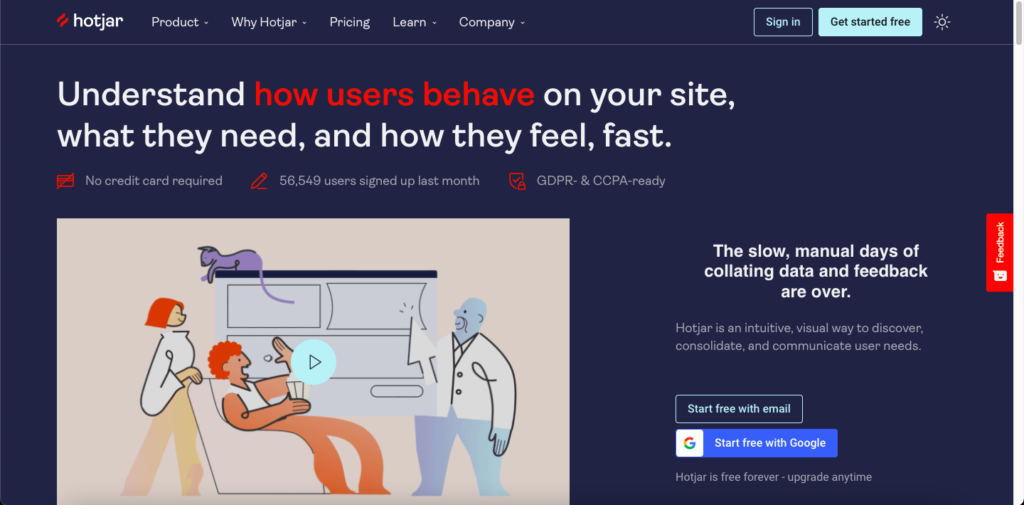
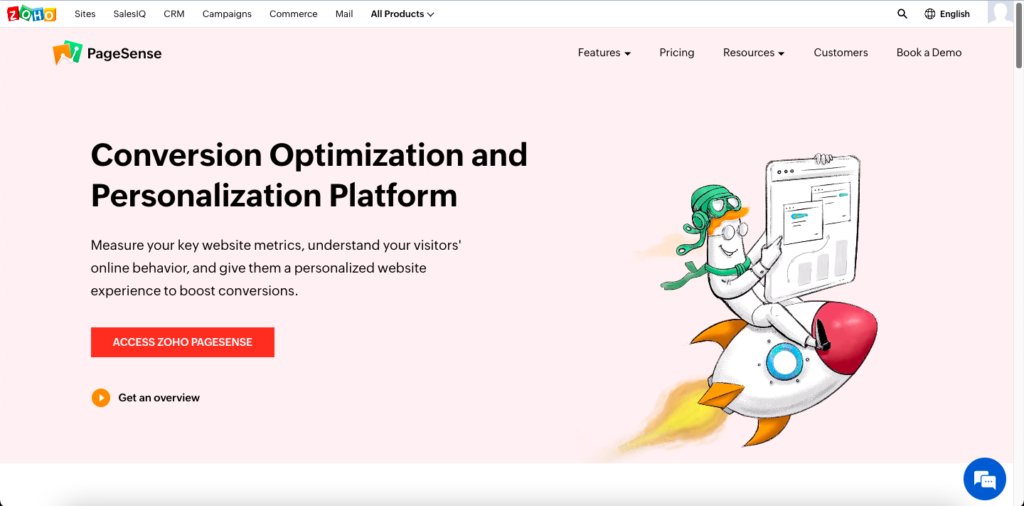
Understanding how visitors interact with your site is the foundation of conversion rate optimization. Tracking tools like Hotjar and Zoho PageSense capture heatmaps, session recordings, and funnel analytics so you can see exactly where users engage — and where they drop off.
These insights let you:
Gone are the days of one-size-fits-all web experiences. In a crowded SaaS market, the startups that convert best are the ones that listen to their users' clicks before asking for their credit cards.
Video conferencing is no longer a pandemic workaround — it is the default mode of business communication. Whether you're running customer demos, investor updates, or daily standups, a reliable video platform is non-negotiable.
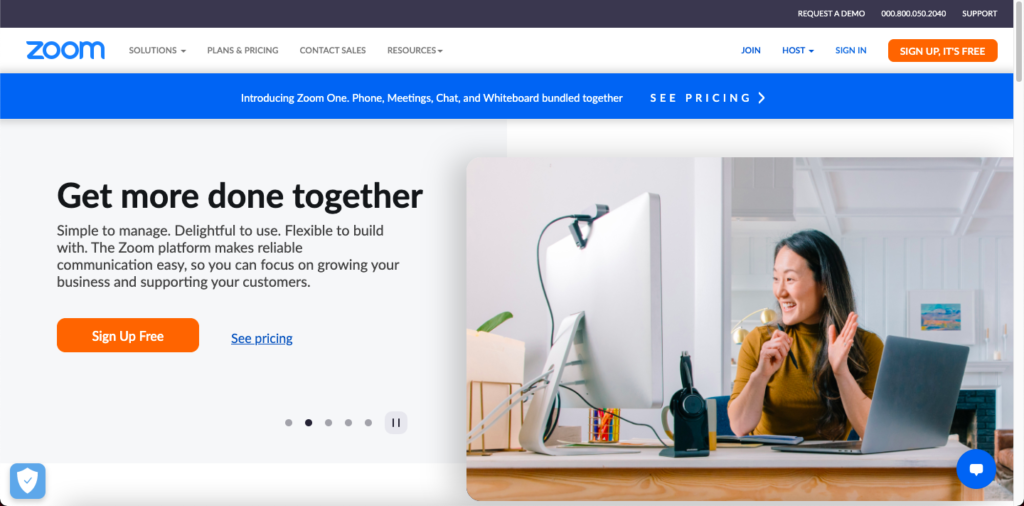
Modern platforms like Zoom now offer AI-powered meeting summaries, real-time transcription, and companion apps that make hybrid collaboration seamless. Google Meet, bundled with Google Workspace, provides a zero-install experience that reduces friction for external prospects who don't want to download yet another app.
Pro tip: pair your video conferencing tool with a conversation intelligence platform like Rafiki AI to automatically capture, transcribe, and analyze every sales call — so your reps can focus on selling instead of scribbling notes.

A productivity suite bundles email, documents, storage, calendars, and collaboration into a single subscription. For startups, this eliminates the need to stitch together five or six separate tools — and the administrative headache that comes with managing them.
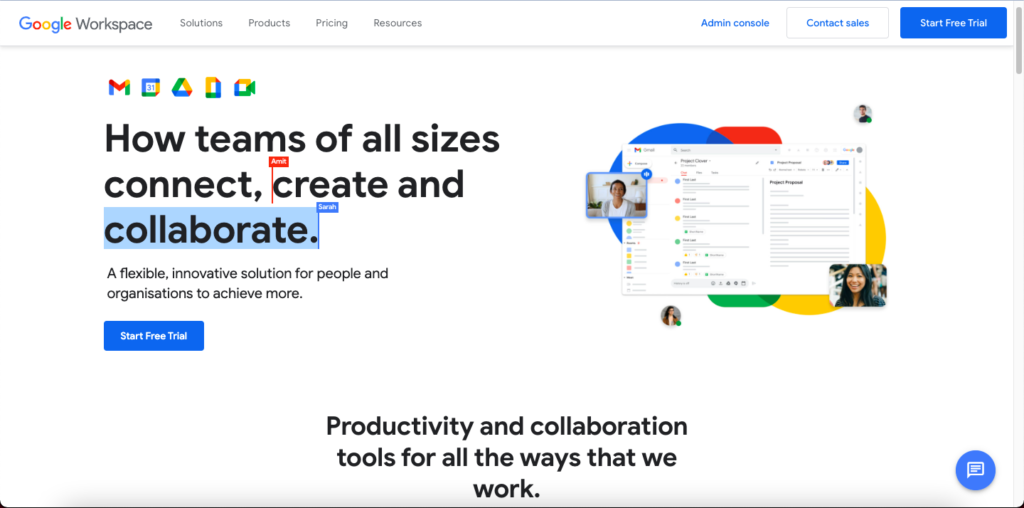
Google Workspace (formerly G-Suite) remains the go-to for most early-stage teams thanks to Gmail, Drive, Docs, and Calendar. In 2026, Google has embedded Gemini AI across the suite for drafting, summarizing, and organizing — giving lean teams an outsized productivity boost.
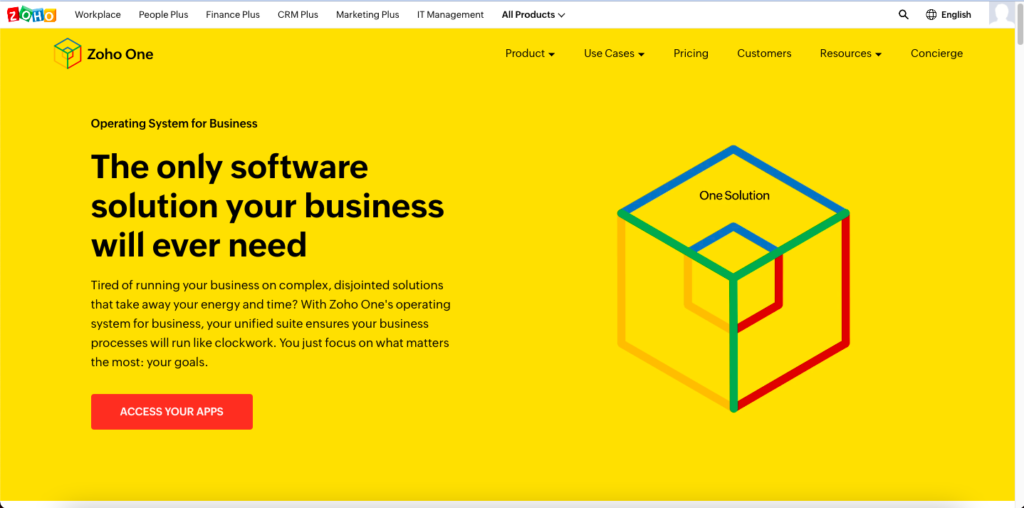
Zoho One, meanwhile, bundles 45+ business apps (CRM, finance, HR, project management) under a single license. For startups that want to minimize vendor sprawl from day one, it is a compelling all-in-one alternative.
When you are a brand-new SaaS business, leads and customers are hard to attract even if your product is excellent. Cold outreach takes time and delivers inconsistent results. Social media, on the other hand, lets you build trust at scale before a prospect ever enters your pipeline.
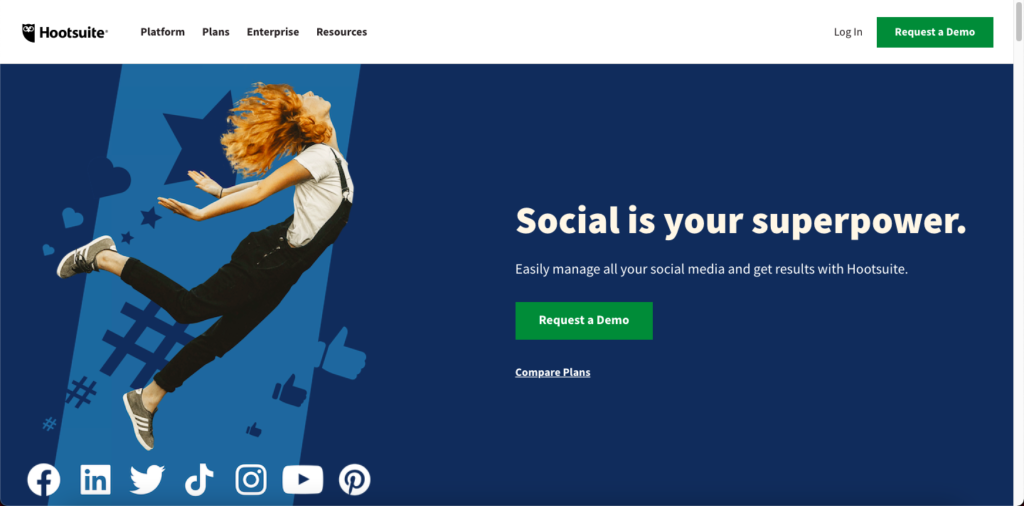
Hootsuite helps your team:
For startups with lean marketing teams, a tool like Hootsuite turns one social media manager into the equivalent of three — freeing up hours every week for strategy instead of manual posting.
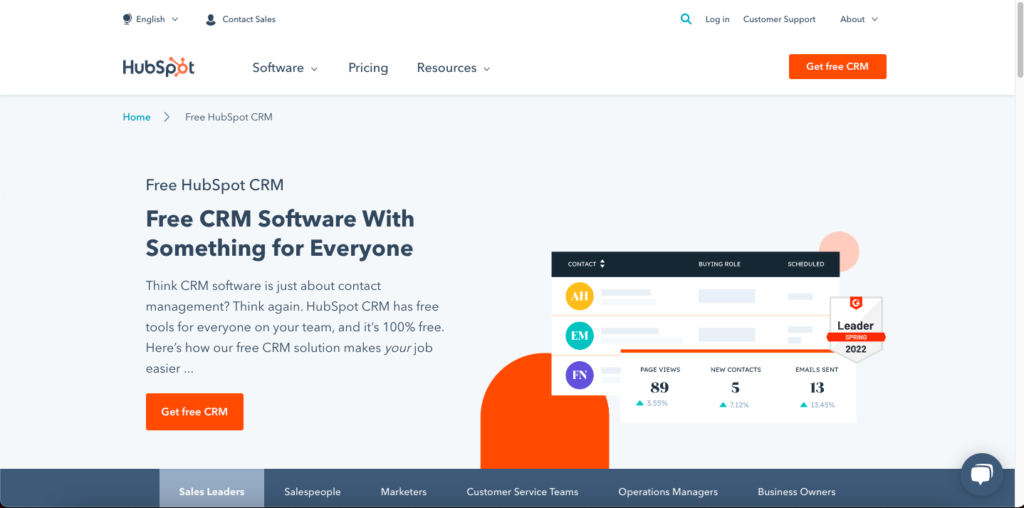
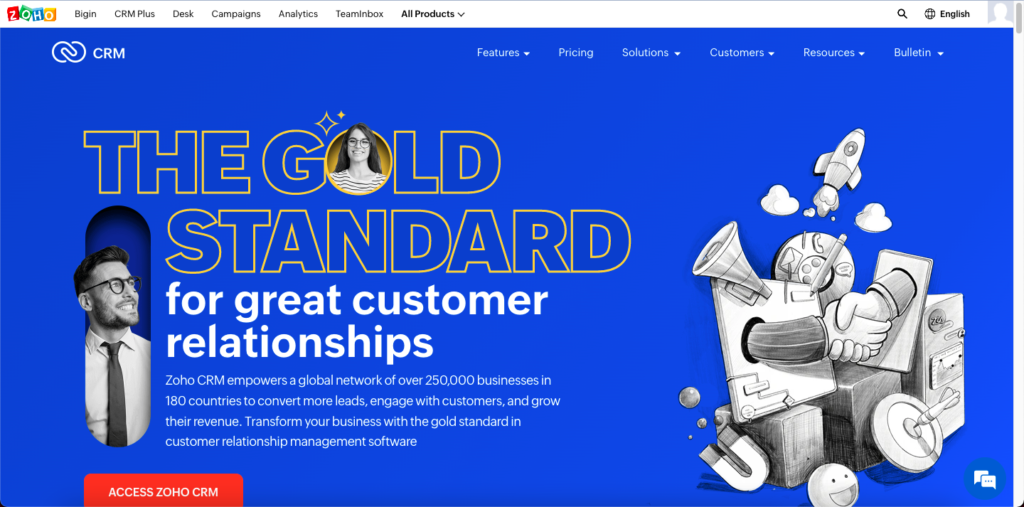
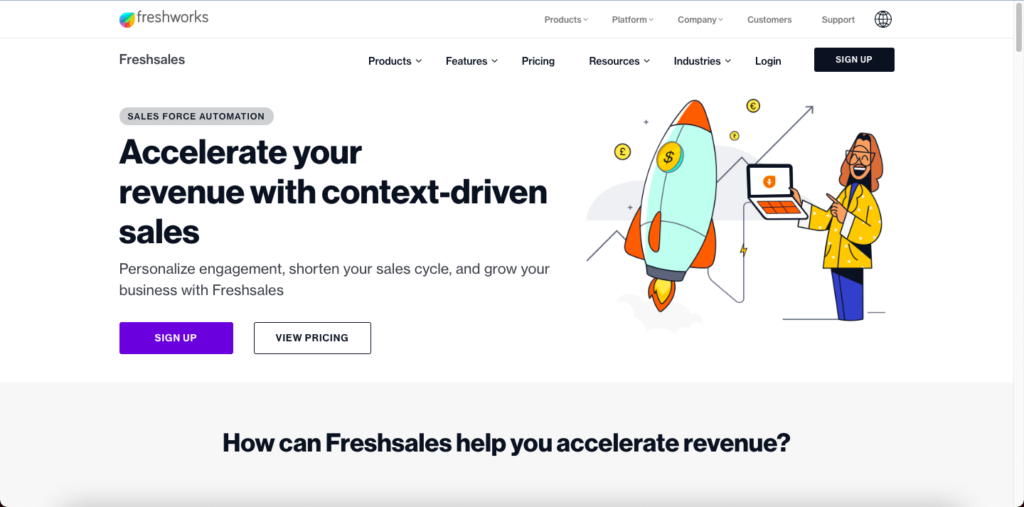
A CRM is the bridge between your business and your customers. Without one, your sales team juggles spreadsheets, sticky notes, and memory — a recipe for lost deals and inconsistent follow-ups.
For startups, the best CRMs combine ease of setup with room to scale:
The real power unlock happens when you connect your CRM to a conversation intelligence platform like Rafiki AI. The integration automatically syncs call notes, deal signals, and follow-up tasks back into your CRM — creating a single source of truth across product feedback, pitch effectiveness, and customer expectations.
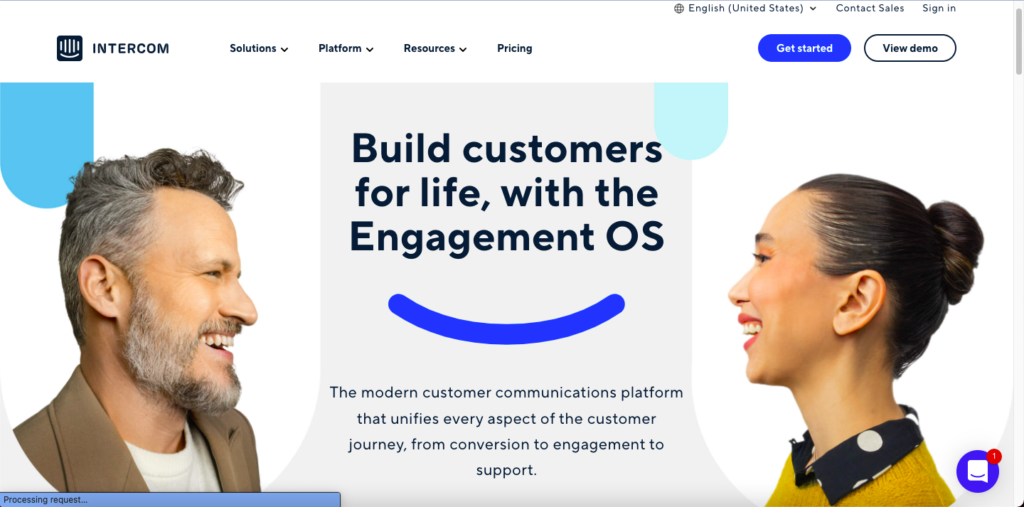
Today's customers expect self-service support, instant chat, and proactive in-app guidance. A knowledge base and live chat are table stakes — not luxuries. Intercom bundles all of this into one omnichannel engagement platform.
Key capabilities for startups:
Intercom continues to offer exclusive early-stage pricing that makes it accessible for pre-revenue and seed-stage teams.
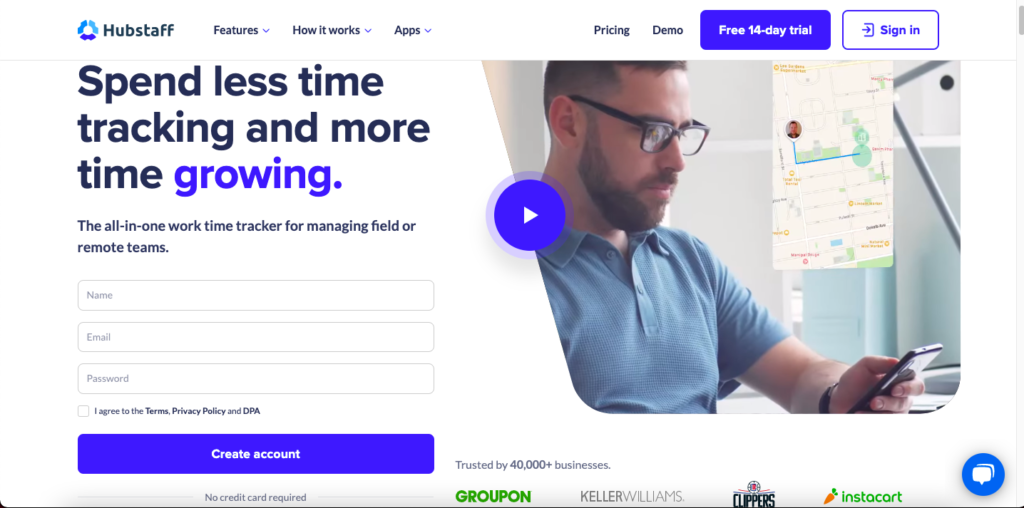
In a startup, every hour matters. Hubstaff helps distributed teams track time across projects, identify bottlenecks, manage invoices, and generate detailed productivity reports — all from one dashboard.
It integrates with 30+ popular tools including GitHub, Asana, Trello, and PayPal, which means you can layer time-tracking into your existing workflow without disrupting it. For startups managing remote or hybrid teams across time zones, Hubstaff provides the visibility founders need without micromanagement.
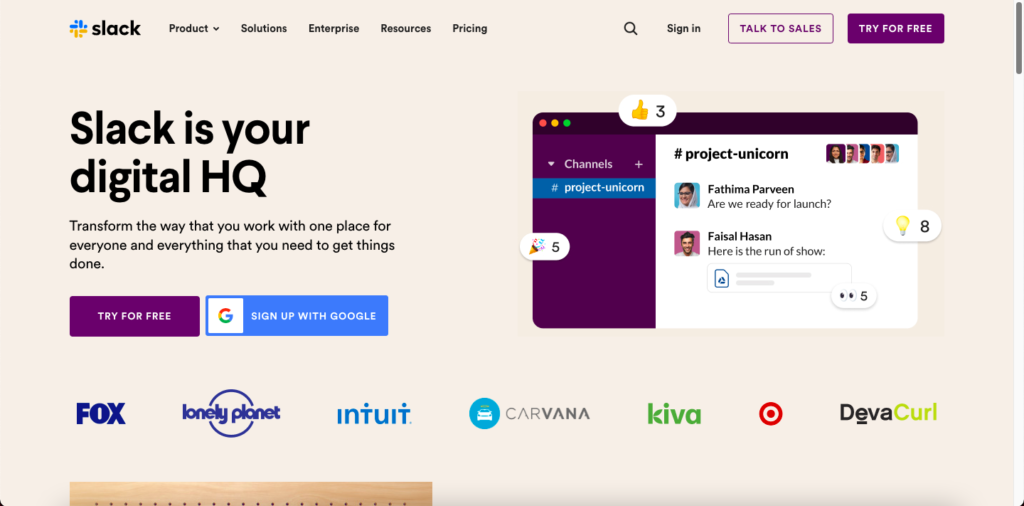
Seamless internal communication is the backbone of every high-performing startup. Slack replaces fragmented email threads with organized channels, direct messages, and workflow automations that keep your team aligned.
Key features that matter for startups:
Since Salesforce's acquisition, Slack has deepened its CRM integrations, making it especially powerful for sales-driven startups that need real-time deal updates without switching tabs.
In a startup, your sales team's time is your most constrained resource. Yet most reps spend hours every week on tasks that add zero revenue: recording customer interactions, taking notes, manually updating the CRM, and trying to recall what a prospect said three calls ago.
Conversation intelligence eliminates that burden entirely. Rafiki AI records, transcribes, and analyzes every sales conversation — then goes further than any other platform by enabling contextual, AI-generated follow-ups that help close deals faster.
Here is what makes Rafiki AI the default choice for SaaS startups in 2026:
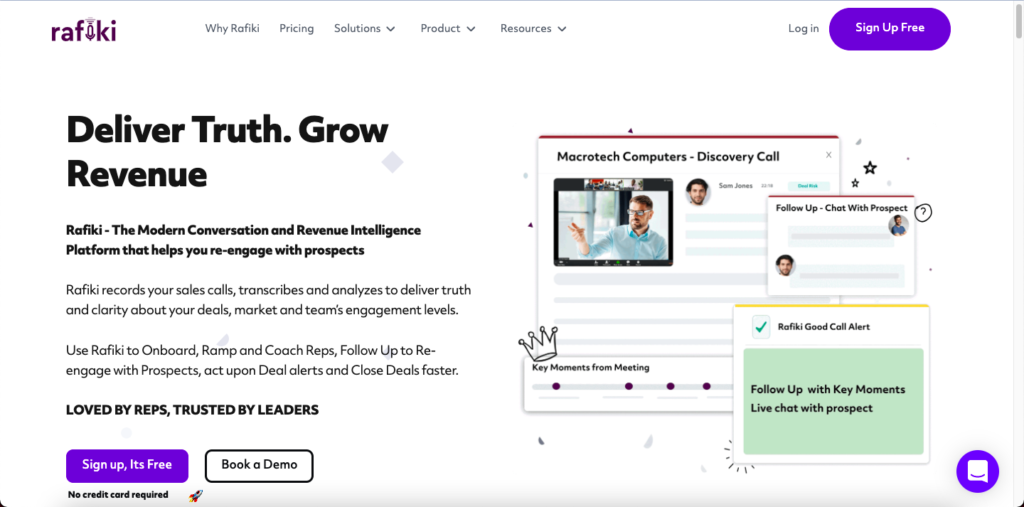
While legacy conversation intelligence platforms stop at meeting analysis, Rafiki AI acts as the intelligence layer between your conversations and your revenue decisions. It captures key topics and moments, generates automatic notes sorted by topic, and ensures that no deal signal falls through the cracks.
You don't need all ten tools on day one. If you are a SaaS startup with a limited budget, start with the essentials that directly impact revenue and operations:
Add Slack, Hootsuite, Hotjar, Intercom, and Hubstaff once you have customers, revenue, and a growing team. The goal is to build a stack where each tool integrates cleanly with the others — minimizing context-switching and maximizing the insights flowing between platforms.
The top SaaS tools for startups in 2026 share a common trait: they replace manual effort with intelligent automation so lean teams can punch above their weight. From no-code builders to AI-powered conversation intelligence, each category on this list addresses a specific bottleneck that slows down growth.
The startups that win are not the ones with the biggest teams. They are the ones with the smartest stacks.
Rafiki AI's conversation intelligence platform starts at $19 per seat per month with no minimums and no annual commitment. Start your free trial today or book a demo to see how AI transforms your revenue operations.
Start for free — no credit card, no seat minimums, no long contracts. Just better sales intelligence.