Fear calling — the anxiety that grips you before dialing a prospect you've never spoken to — affects the majority of sales professionals at some point in their career. According to Salesforce's State of Sales report, reps spend only 28% of their week actually selling, and call reluctance is one of the top reasons outbound activity stalls. Whether you're brand new or a 10-year veteran, the sweaty palms and racing heart before a cold call are completely normal — and completely conquerable.
But what exactly is it about picking up the phone and calling someone you don't know that triggers such anxiety? Below we'll unpack the common reasons behind fear calling, show you why conquering it is essential for pipeline growth, and give you five battle-tested techniques to turn dread into confidence.
What Is Fear Calling (and Why Does It Happen)?
Fear calling is the persistent anxiety or dread a salesperson feels before, during, or after making cold calls. It's more than simple nervousness — it can manifest as procrastination, physical tension, and even avoidance of the phone altogether. Understanding the root causes is the first step to overcoming them.
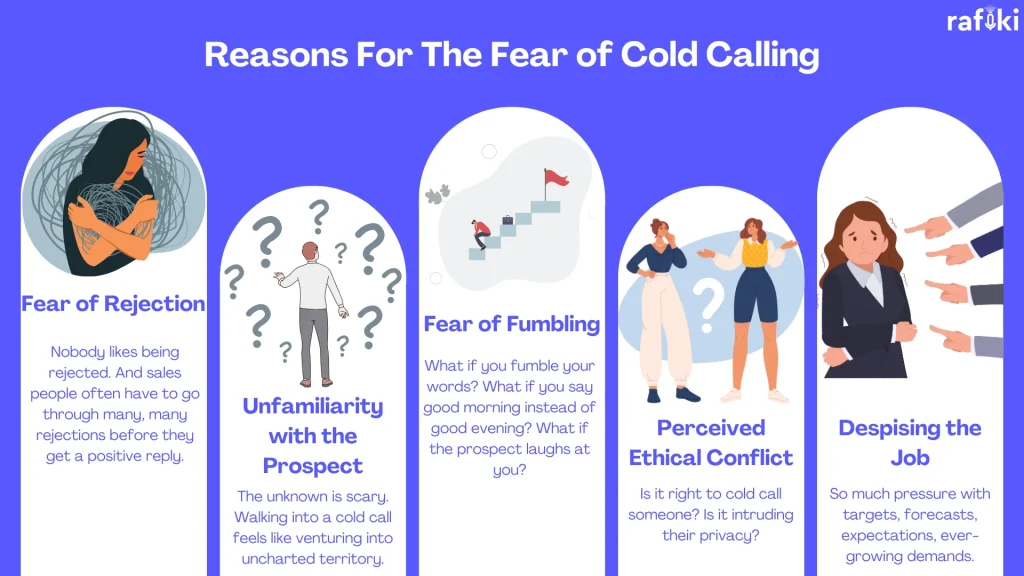
Fear of Rejection: Rejection stings, and the cold call puts you squarely in the firing line. The fear of hearing "no" or being shut down can be paralyzing. Imagine all your hard work — crafting the perfect pitch, researching the prospect — culminating in a curt dismissal. Ouch.
Unfamiliarity with the Prospect: The unknown is scary. Walking into a cold call feels like venturing into uncharted territory. You don't know the prospect's needs, their challenges, or even their communication style. This lack of familiarity breeds anxiety about tailoring your pitch and navigating the conversation effectively.
Fear of Fumbling: Ever fumbled for your words during a presentation? Now amplify that feeling to a live phone call. The fear of making mistakes, forgetting key talking points, or sounding unprofessional under pressure can be a major roadblock.
Perceived Ethical Conflict with Cold Calling: Some salespeople struggle with the perceived intrusive nature of cold calling. They worry about bothering the prospect or interrupting their workday. This internal conflict can zap motivation and make cold calling feel inauthentic.
Deeper Dislike of the Role: Sometimes, fear calling stems from a broader discomfort with sales itself. If constant pressure, targets, and rejection go against your grain, cold calling becomes the embodiment of everything you dislike about the job.
The Real Cost of Letting Fear Win
Fear calling isn't just an unpleasant emotion — it directly erodes your sales performance and earning potential. Here's how:
Procrastination and Avoidance: Fear easily morphs into procrastination. You put off making those calls, dreading the potential discomfort. This snowballs into missed opportunities and lagging sales numbers.
Decreased Confidence and Motivation: Constant avoidance chips away at your confidence. You start questioning your abilities and the effectiveness of cold calling altogether. This demotivation bleeds into other aspects of your sales game.
Missed Opportunities and a Shrinking Pipeline: Cold calling, despite its perceived intrusiveness, remains one of the most effective prospecting channels. A LinkedIn State of Sales report found that top-performing sellers are significantly more likely to describe cold outreach as "very important" to their pipeline. By letting fear hold you back, you're leaving a vast pool of potential customers untouched — and a limited pipeline directly impacts your ability to close deals and generate revenue.
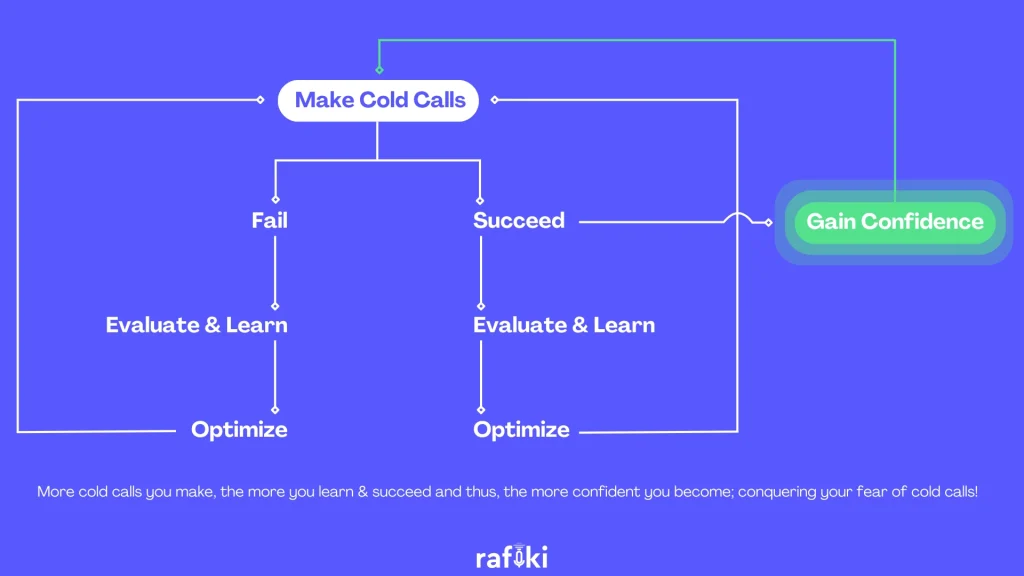
The good news? Fear calling can be conquered. By implementing specific techniques and shifting your mindset, you can transform cold calling from a dreaded chore into a rewarding, confidence-building activity. The more successful conversations you have, the more your confidence grows — creating a powerful positive feedback loop.
Let's dive into five proven techniques for conquering fear calling for good.
1. Be Prepared, Not Paranoid
Conquering fear calling starts with solid preparation. Instead of approaching calls with paranoia about rejection, equip yourself with knowledge. Here's how being prepared can transform your cold calling experience:
What It Is
Being prepared means thoroughly researching your prospect, crafting a compelling opening pitch, and anticipating potential objections before you ever pick up the phone.
Why It Works
Knowledge is power. The more you know about your prospect and your offering, the more confident you'll feel during the call. A well-researched opening demonstrates professionalism and positions you as a valuable resource — not a pushy salesperson. Anticipating objections shows you've thought ahead and are ready to address concerns directly.
How & When to Use It
Preparation should be a core element of every cold call. Before dialing, dedicate time to research your prospect:
Research, Research, Research: Delve into your prospect's company, industry trends, and potential challenges. Utilize tools like LinkedIn and company websites to gather information. The more you know, the more relevant and targeted your opening pitch can be.
Craft a Compelling Opening: Those first 30 seconds are crucial. Script a concise introduction that grabs the prospect's attention and highlights the value you offer. For example, instead of a generic "Hi, is this [Prospect Name]?", try "Hi [Prospect Name], this is [Your Name] from [Your Company]. I noticed you recently [mention a relevant achievement or challenge]. I help companies like yours with [mention your solution]."
Anticipate Objections: Objections are inevitable, but they're not roadblocks. Think about the common objections you might face and prepare clear, concise responses that address the prospect's concerns directly.
2. Shift Your Mindset From Selling to Helping
Fear calling often stems from a transactional mindset. We focus on making the sale, pushing our product or service, which can feel intrusive and inauthentic. Here's how shifting your perspective to one of helping can transform your cold calls:
What It Is
Shifting your mindset from selling to helping involves focusing on understanding the prospect's needs and challenges, and how your product or service can genuinely benefit them. It's about building relationships and establishing yourself as a trusted advisor.
Why It Works
People are naturally resistant to salespeople pushing products. However, they're receptive to helpful advice and solutions that address their specific challenges. By approaching the call with a genuine desire to understand their needs, you build trust and rapport. This shift in perspective not only reduces your fear of rejection but also increases the likelihood of a positive outcome.
How & When to Use It
Shifting your mindset requires a conscious effort throughout the call. Here are some practical tips:
Focus on Asking Questions: Instead of launching into a lengthy sales pitch, prioritize asking insightful questions about the prospect's business goals, current challenges, and pain points. Use active listening techniques to truly understand their responses. Rafiki AI's Smart Call Summary can be a game-changer here. By automatically summarizing key points from the conversation, it ensures you don't miss any crucial details while you focus entirely on the prospect and asking the right questions.
Highlight Value, Not Features: Don't just rattle off features of your product or service. Translate those features into tangible benefits that directly address the prospect's needs. For example, instead of saying, "Our software offers advanced reporting features," explain how those features can help them "gain deeper insights into customer behavior and make data-driven decisions."
Focus on Building Relationships: The cold call is just the first step. Your goal is to establish a connection and build rapport. Be personable, show genuine interest in their business, and find common ground.
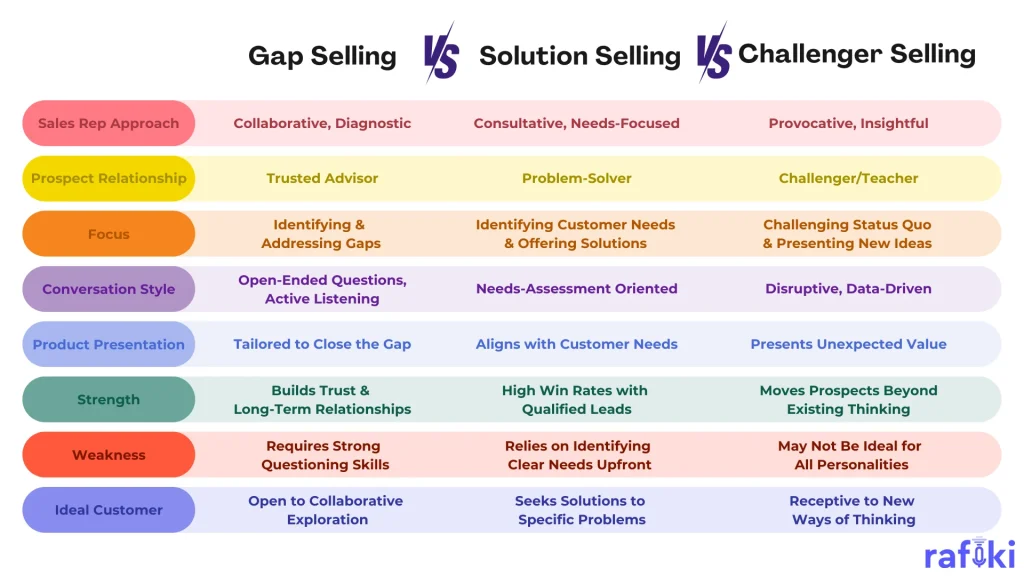
Utilize the Right Sales Methodology: Certain methodologies naturally shift your mindset from selling to helping. Gap Selling frames your solution as the bridge that helps prospects cross from their current state to their desired future. SPIN selling focuses on asking the right Situation, Problem, Implication, and Need-Payoff questions. Here's a comparison of different approaches:
3. Practice Makes Progress
The fear of fumbling or saying the wrong thing during a cold call can be paralyzing. But here's the secret: even the most seasoned salespeople rehearse.
What It Is
Practicing your cold calls involves rehearsing your opening pitch, anticipating objections, and role-playing conversations with colleagues or friends.
Why It Works
Rehearsal builds confidence and familiarity. By running through potential scenarios beforehand, you identify areas that need improvement and refine your approach. It allows you to practice your delivery, ensuring you sound professional, confident, and engaging.
How & When to Use It
Make rehearsing a regular part of your cold calling routine. Here are some effective methods:
Record Yourself: Use your phone or a recording app to capture yourself practicing your pitch and responses to common objections. Listen back and identify areas for improvement, such as pacing, clarity, or overcoming hesitations.
Role-Play with Colleagues: Partner up with a colleague and take turns playing the role of the prospect. This allows you to practice handling objections and navigating different conversation flows in a safe, supportive environment.
Practice with Friends or Family: While not ideal replacements for real prospects, friends or family can be helpful practice partners. Explain you're working on your cold calling skills and have them act as a sounding board for your pitch and responses.
Ideally, rehearse before every call, particularly when targeting new prospects or introducing a new product or service. Even a quick five-minute run-through can boost your confidence and ensure you're presenting your best self.
Bonus Tip: Get Objective Feedback with AI
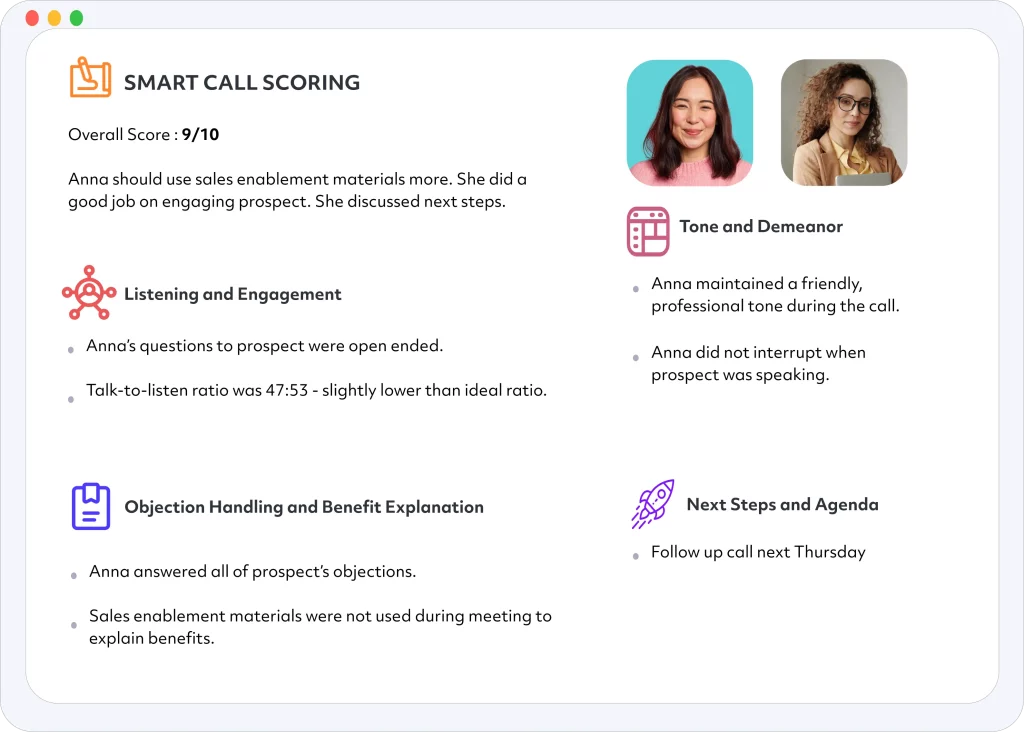
Consider using Rafiki AI's Smart Call Scoring. This feature analyzes your call recordings and provides objective feedback on your performance — including active listening, objection handling, and overall call flow. By using this data to identify your strengths and weaknesses, you can tailor your practice sessions and continuously improve your skills.
4. Embrace the Power of Positivity
Our brains are wired to focus on the negative — a survival mechanism from our earliest ancestors that served us well in caves but works against us in sales. This negativity bias can fuel fear calling. The good news: you can retrain your brain to approach cold calls with a more positive mindset.
What It Is
Embracing the power of positivity involves reframing your thoughts about cold calling. Instead of dreading rejection, view it as a learning opportunity. Focus on the potential positive outcomes, like connecting with a valuable lead or building rapport with a prospect.
Why It Works
A positive mindset reduces anxiety and boosts confidence. When you believe in yourself and the value you offer, you're more likely to project enthusiasm and connect with prospects on a genuine level. Positive self-talk and visualization techniques are powerful tools for overcoming fear.
How & When to Use It
Challenge Negative Thoughts: When the fear of rejection creeps in, challenge those thoughts head-on. Instead of thinking "I'm going to get rejected," reframe it as "This is an opportunity to connect with someone who might benefit from what I offer."
Positive Self-Talk: Before dialing, take a few minutes for positive self-talk. Remind yourself of your successes, your expertise, and the value you bring to the table. Statements like "I'm a skilled communicator" or "I'm confident in my product" can significantly boost your confidence.
Visualization: Take a moment to visualize a successful cold call. See yourself connecting with the prospect, having a positive conversation, and scheduling a follow-up meeting. Visualization helps prime your brain for success.
Celebrate Small Wins: Don't just focus on landing the sale. Celebrate small victories along the way — a positive interaction with a prospect, a well-delivered pitch, or even overcoming the initial fear of dialing. Recognizing your progress keeps you motivated and reinforces positive behavior.
A positive attitude is contagious. When you approach cold calls with enthusiasm and a genuine desire to help, it shows. Prospects are more likely to respond favorably to a positive and confident salesperson. So, put on a smile (even if it's just for yourself!), embrace the power of positivity, and watch your fear calling anxiety melt away.
5. Celebrate Milestones and Analyze Performance
Feeling stuck in a rut with your cold calling? Here's how tracking your progress can reignite your motivation and improve your results.
What It Is
Tracking your progress involves monitoring your cold calling activity and analyzing your performance metrics. This includes things like the number of calls made, connection rates, conversation length, and assessment of each call.
Why It Works
Tracking progress provides valuable insights and a sense of accomplishment. By monitoring your activity, you can identify areas for improvement and celebrate your wins. Seeing concrete data on your progress motivates you to keep pushing forward and develop a sense of mastery over your cold calling skills.
How & When to Use It
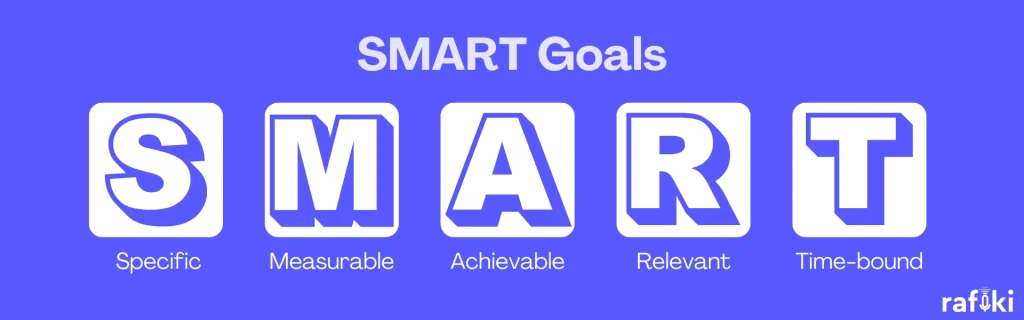
Set SMART Goals: Before you start tracking, establish clear and measurable goals using the SMART framework. For example, a SMART goal could be "Make 50 cold calls per week and achieve a 20% connection rate within the next month."
Call Tracking: Many CRMs offer built-in call tracking features. Alternatively, a simple spreadsheet can suffice. Track metrics like date, prospect name, call outcome (connected, voicemail, busy), and conversation length. Or, use Rafiki AI's Smart CRM Sync if you don't want to spend hours maintaining CRM records or spreadsheets manually.
Assessment: After each call, take a moment to reflect. Ask yourself questions like: "How well did I articulate my value proposition?" or "Was I able to effectively handle objections?" Write down recurring strengths and weaknesses. Then compare your self-assessment against Rafiki AI's Smart Call Scoring, which objectively evaluates each call and surfaces specific areas to improve.
Analyze and Adapt: Regularly review your call data. Look for trends, identify areas for improvement, and adjust your approach accordingly. For example, if your connection rate is low, you might need to refine your opening pitch or research prospects more thoroughly.
Celebrate Milestones: Don't underestimate the power of celebrating your achievements. Reaching your weekly call goals or achieving a personal best for connection rate are all milestones worth acknowledging. Reward yourself for your progress to stay motivated.
What Sales Leaders Can Do to Help Their Team
Sales leaders play a crucial role in helping their teams overcome fear calling. Here's how you can create a supportive environment and empower reps for success:
Coaching and Training: Provide ongoing coaching and training on cold calling techniques. Role-playing exercises and call reviews can identify areas for improvement and build confidence. Rafiki AI's conversation intelligence platform makes it easy to review real calls together and coach from actual data instead of memory.
Positive Reinforcement: Celebrate successes, both big and small. Acknowledge the effort put into cold calling and praise reps for overcoming challenges.
Technology Tools: Invest in technology that streamlines the cold calling process. Tools like Rafiki AI's Smart Call Scoring and Smart Follow Up can improve efficiency and make your team's job much easier.
Alternative Outreach Methods: While cold calling remains a valuable tool, acknowledge that it's not the only option. Encourage exploring complementary outreach methods like email sequences or social selling to build a multi-channel prospecting motion.
Conclusion: Conquer Fear Calling and Unlock Your Sales Potential
Fear calling is real — but it doesn't have to control your career. Every technique above — preparation, a helping mindset, deliberate practice, positivity, and performance tracking — chips away at the anxiety until what once felt terrifying becomes routine. Remember, every "no" brings you closer to a resounding "yes."
The reps who build the biggest pipelines aren't fearless. They simply refuse to let fear make their decisions for them. So ditch the avoidance, pick up the phone, and start dialing with purpose.