An objection in sales is a specific concern or pushback a prospect raises during a sales conversation that signals they are not yet ready to buy. Objections meaning, at its core, refers to the reasons — spoken or implied — a buyer gives for hesitating, delaying, or declining a purchase. These reasons typically fall into categories like budget, trust, need, or timing.
Critically, an objection is not a flat rejection. It is a signal that the prospect needs more information, reassurance, or a reframed value proposition before they commit. As Brian Tracy, the renowned sales author, puts it:
"Treat objections as requests for further information."
Understanding objections meaning is the first step toward handling them well. When you recognize that every pushback is an invitation to dig deeper, you shift from defensive selling to consultative problem-solving — and that shift is what separates average reps from top performers.
According to Salesforce's State of Sales report, 72% of sales professionals say that adapting to buyer needs in real time is the single most important skill for closing deals. Handling objections effectively is the clearest expression of that skill.
Below, we break down the four main types of sales objections, walk through the most common objection statements with word-for-word response templates, and show you how conversation intelligence turns objection handling from guesswork into a repeatable, data-driven process.
Before diving into types and tactics, it is worth internalizing one principle: objections are a sign of engagement, not disinterest. A prospect who raises a concern is still in the conversation. A prospect who says nothing and ghosts you is the one you should worry about.
Objections give you:
When your team treats objections as diagnostic signals rather than roadblocks, win rates climb. The key is preparation — knowing the categories of objections you will face and having structured responses ready.
A successful sale is about delivering the right product, at the right time, to the right buyer. Even if one element is off, objections surface. Here are the four categories you will encounter in virtually every sales cycle:
One of the most common sales objections relates to pricing. Either the company lacks a dedicated budget or the prospect does not yet see clear ROI. You will hear statements like:
As a sales rep, break this down — prior research is your best friend. If your discovery work shows the company does have budget, your job is to reframe the conversation around value. Help the prospect visualize the cost of not solving their problem. Quantify the reward: hours saved, revenue recovered, risk eliminated. When the value clearly outweighs the price, budget objections dissolve.
Tools like Rafiki AI's deal intelligence surface pricing-related objections across your pipeline so you can see which value messages actually move deals forward — and which fall flat.
Most sales experts agree: sales is fundamentally about trust. Without it, no pitch succeeds.
Before you lead with features, ensure the prospect has some awareness of your company and solution. Otherwise, you will hear "We're not aware of your company" more often than you want.
Build trust incrementally:
"I don't think this will suit us." — When you hear this, do not treat it as the end of the road. More often than not, the prospect needs your solution but either has not recognized the pain or has not understood your product correctly.
The only way to find out is by asking targeted questions:
Evaluate their answers. If your product genuinely cannot solve their challenges, offer alternative suggestions and move on. Pushing a bad-fit prospect wastes everyone's time.
Even when a prospect needs your solution, they may not need it now. You will hear: "Your product is not a priority right now."
Resist the urge to counter immediately. Instead, ask questions that uncover whether the delay is genuine or a polite deflection:
If the timing truly is not right, ask when it might be and set a concrete follow-up date. Staying professionally persistent — without being pushy — keeps the door open.
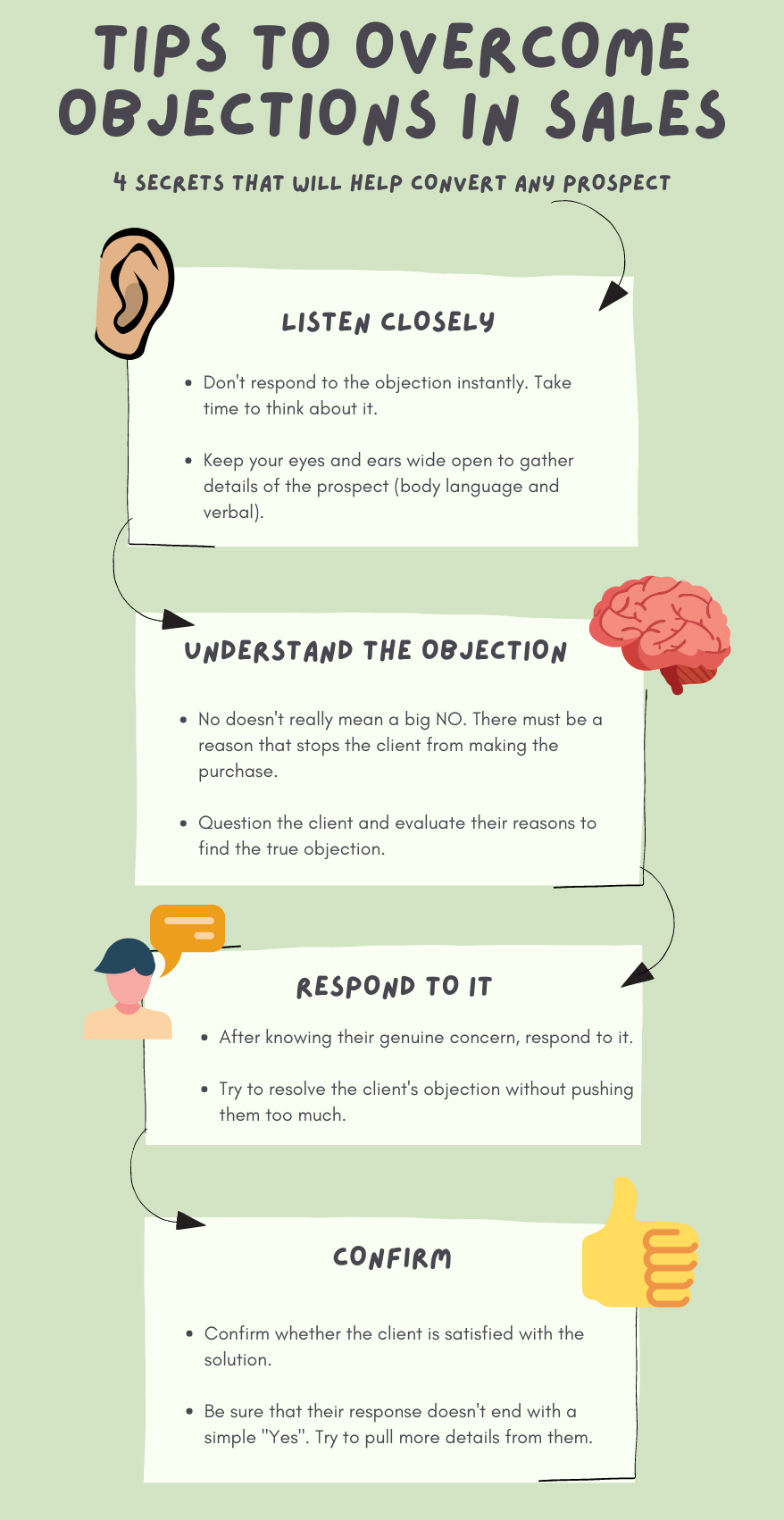
Now let's move from categories to specific objection statements — the exact phrases you will hear on calls — along with word-for-word response templates.
Nobody wants to be interrupted. This objection is often a reflex, not a genuine scheduling request. Your goal: borrow just enough time to qualify the prospect.
Try this response:
"I'm happy to connect at a better time. Could I take just two minutes to explain what we do and how we could help? If it resonates, we'll schedule a proper meeting. If not, I won't take up any more of your time."
For sales leaders: pay attention to how your reps handle this moment. Rafiki AI tracks conversational patience — how long a rep waits before responding after a prospect speaks. Reps who pause appropriately come across as composed and consultative rather than anxious. You can benchmark this metric over time using Rafiki AI's coaching intelligence dashboards.
Another classic deflection. Instead of accepting the brush-off, use the moment to start a micro-conversation:
"Absolutely — I'll send everything over. Quick question first: what specific information would be most useful to you? I have quite a bit I could share, and I'd rather send you exactly what matters instead of overloading your inbox."
This response signals that you respect the prospect's time. It also re-engages them — answering your question requires them to think about their actual needs, which often warms the conversation.
You are not alone in your market. Your competitor may have already built a relationship with the prospect you are pursuing. Here is a strong response:
"That's great — they're a solid company. We're not asking you to rip out what's working. What we'd love is the chance to show you how we've delivered additional value for teams that made the switch. I can even connect you with customers who previously used [competitor] so you can hear it directly from them."
Key principle: never criticize the competitor. Instead, let your differentiation — and your customer references — do the talking.
This objection typically means you have not yet created enough urgency. If the prospect truly understood the cost of inaction, they would move. Try this:
"I appreciate you being upfront. Let me ask — have you considered what happens if [the pain point] goes unaddressed for another quarter? What's the cumulative impact on [their KPI]?"
You are doing two things here: making the prospect articulate the consequences in their own words, and agitating the pain point to build urgency organically. This is far more effective than simply insisting your product is important.
Beyond memorizing scripts, top-performing reps use a repeatable framework. Here is a four-step model you can apply to virtually any objection:
This Listen → Acknowledge → Clarify → Reframe pattern keeps the conversation collaborative rather than combative. According to Harvard Business Review, reps who ask follow-up questions after an objection close at significantly higher rates than those who immediately pivot to a counter-argument.
Handling objections is high-stakes. One clumsy response can be the difference between winning and losing a deal. You need more than instinct — you need data.
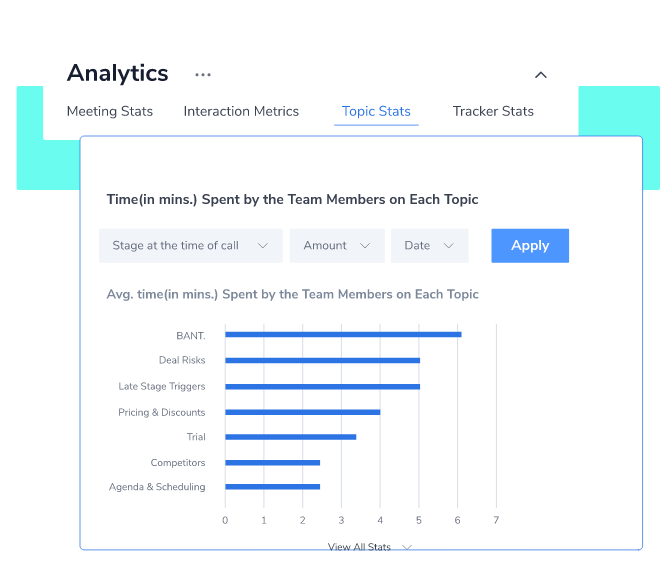
Rafiki AI is an AI-native conversation intelligence platform that turns every sales call into actionable insight. Here is how it transforms objection handling from guesswork into a repeatable system:
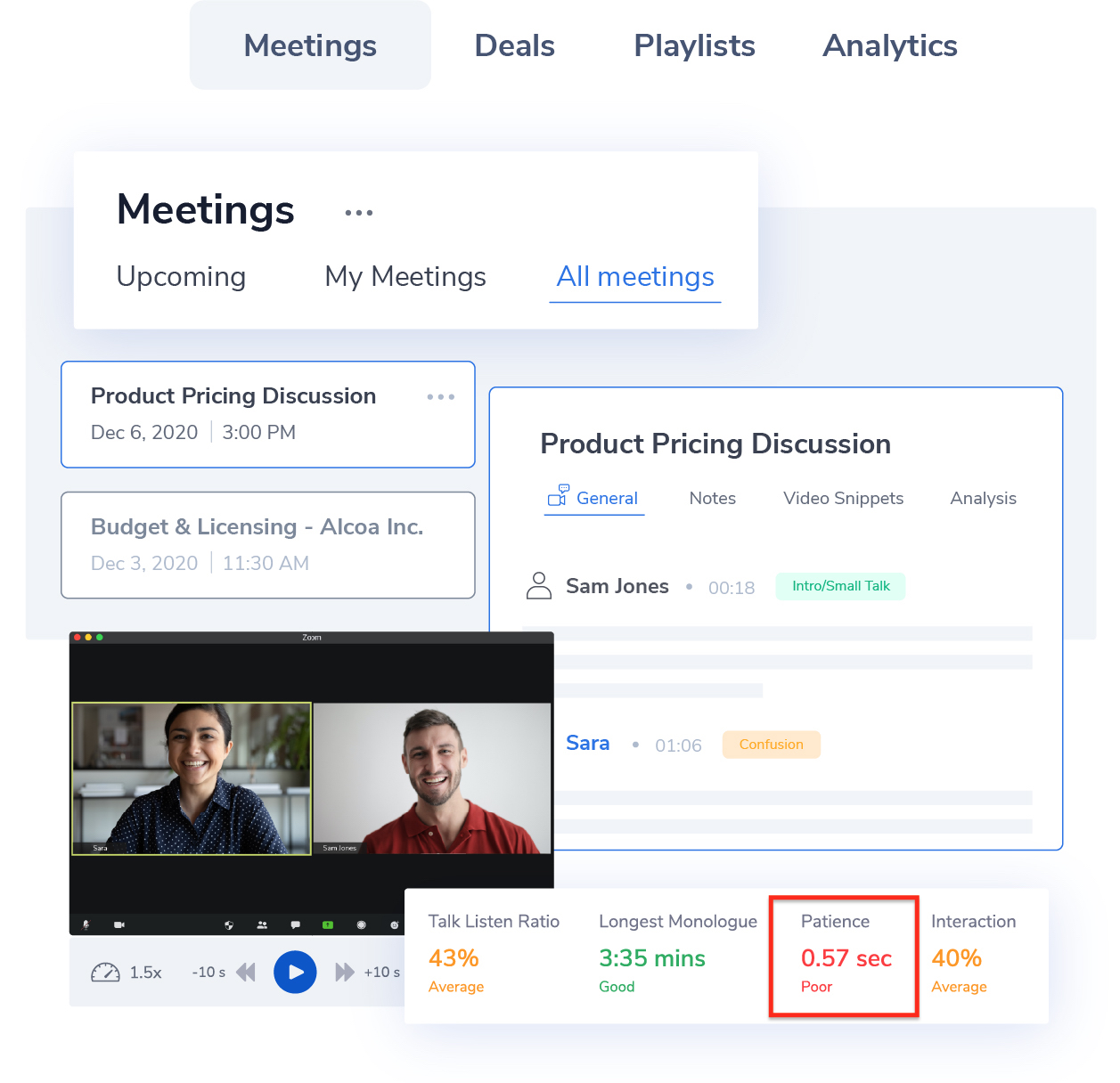
In short, Rafiki AI gives your team the intelligence layer between raw conversations and revenue decisions — so every objection becomes an opportunity, not a threat.
Understanding objections meaning — and internalizing that every pushback is a request for more information — fundamentally changes how you sell. Budget, trust, need, and urgency objections are not brick walls. They are doors waiting to be opened with the right question, the right proof point, or the right reframe.
Equip your team with structured frameworks, real response templates, and — most importantly — data from actual conversations. That is how you turn objection handling from an art into a science.
Rafiki AI's conversation intelligence platform starts at $19 per seat per month with no minimums and no annual commitment. Start your free trial today or book a demo to see how AI transforms your objection handling.
Start for free — no credit card, no seat minimums, no long contracts. Just better sales intelligence.